

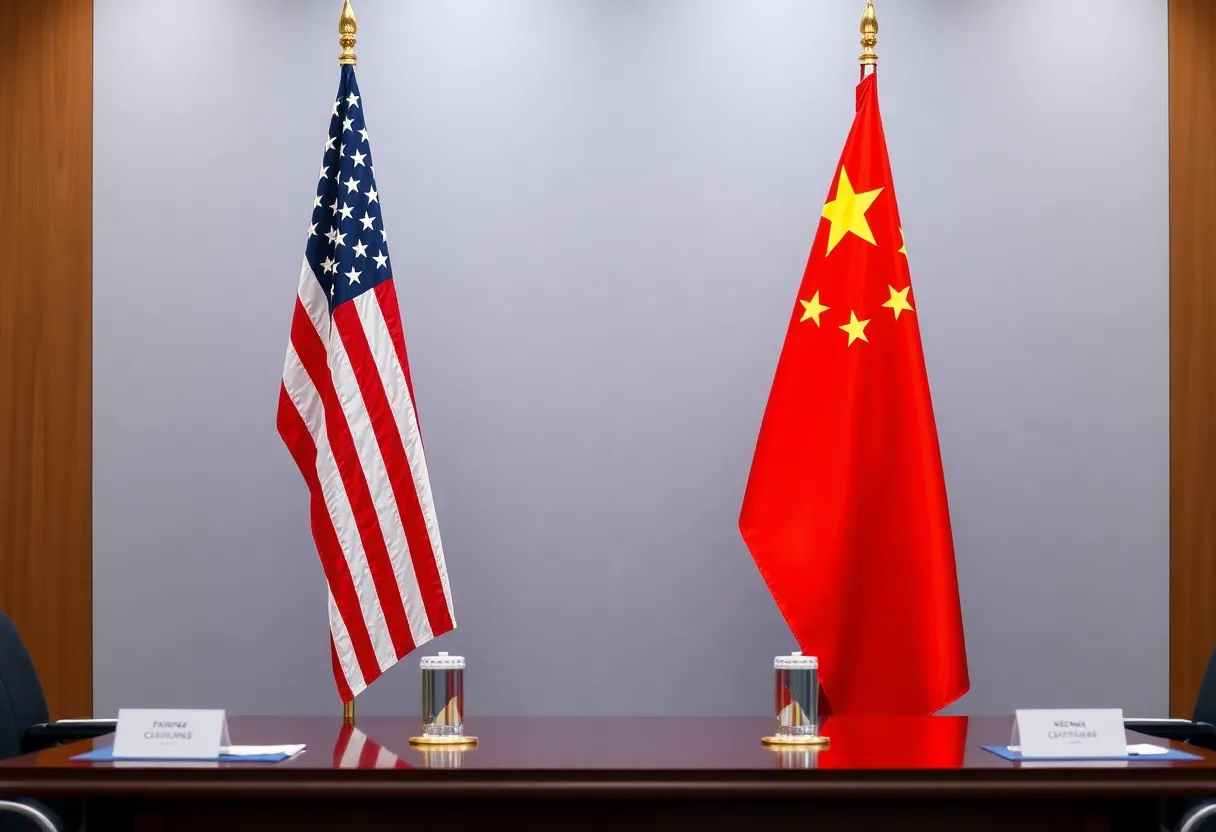
Washington, D.C., November 25, 2025
President Donald Trump has accepted an invitation from China’s Xi Jinping for a state visit to Beijing in 2026, underlining a commitment to improving U.S.-China relations. This follows recent discussions on critical global issues, including the war in Ukraine and trade. The planned visits aim to foster diplomatic engagement while addressing ongoing geopolitical challenges, potentially leading to enhanced trade relations and economic growth for both nations.
Trump and Xi Set for Historic State Visits
Strengthening U.S.-China Relations Through Diplomatic Engagement
Washington, D.C. — In a move that highlights ongoing diplomatic efforts, President Donald Trump has accepted an invitation from Chinese President Xi Jinping to visit Beijing in April 2026, with Xi planning a reciprocal state visit to the United States later that year. This development follows a recent phone call between the two leaders, signifying a commitment to navigating complex international challenges and fostering collaboration.
The phone call, held on November 24, 2025, included discussions surrounding significant issues such as the war in Ukraine, fentanyl trafficking, and American soybean purchases. During this interaction, Trump praised the strength of the U.S.-China relationship, while Xi reiterated his perspective on Taiwan and expressed hopes for a “fair, lasting and binding peace agreement” over Ukraine. Such diplomatic engagements indicate a willingness to enhance trade relations while addressing vital geopolitical issues.
Progress in Trade Relations
Recent developments in U.S.-China trade relations have shown promise, reflected particularly in China’s resumption of soybean purchases from American producers. The U.S. Treasury Secretary confirmed that China committed to purchasing 87.5 million metric tons of American soybeans over the next three and a half years. This agreement comes as the U.S. has taken steps to reduce tariffs following China’s imposition of restrictions on chemicals linked to fentanyl production. While progress is notable, challenges remain, particularly regarding strategic differences over Taiwan and ongoing geopolitical tensions.
Background of the Upcoming Visits
The upcoming state visit to Beijing will mark President Trump’s second trip to China after his first visit in November 2017. Similarly, Xi’s reciprocal visit to Washington in 2026 will be his second state visit to the U.S., having previously visited in September 2015. These scheduled visits aim to fortify bilateral ties and address pressing issues impacting both countries, demonstrating an emphasis on dialogue and mutual understanding in international relations.
Significance of Diplomatic Engagement
Diplomatic exchanges between the leaders are of substantial importance for several reasons. First, these interactions help lower geopolitical tensions, which is vital for stability in global markets. Secondly, they foster an environment conducive to trade, presenting opportunities for American small businesses and farmers to expand their markets in China. A thriving partnership with China could lead to enhanced economic growth within the United States, driving innovation and investment.
Challenges Ahead
Despite the positive momentum in trade, strategic differences regarding Taiwan and other geopolitical matters continue to pose significant challenges in the U.S.-China relationship. These issues necessitate ongoing dialogue and negotiation to achieve long-term solutions that benefit both nations. The path forward is complex, but the commitment from both leaders for continued engagement is a promising step toward addressing these critical matters.
Conclusion
The planned state visits and the ongoing dialogue between President Trump and President Xi mark a pivotal moment in U.S.-China relations. The ability to navigate challenges while fostering trade and cooperation can lead to substantial benefits for Louisville’s businesses and the broader Kentucky economy. As these diplomatic actions unfold, it is essential for local entrepreneurs and stakeholders to remain engaged and prepared to capitalize on emerging opportunities.
Support for local businesses and active participation in the economic landscape can help sustain Louisville’s growth trajectory and strengthen community ties. Engaging with the local economy can drive innovation and improve resilience, ensuring Louisville’s continued success in an ever-evolving global marketplace.
FAQ
What is the significance of the upcoming state visits between President Trump and President Xi?
The planned visits aim to strengthen bilateral ties and address ongoing issues between the two nations.
What topics were discussed during the phone call between President Trump and President Xi?
During the call, they discussed several key issues, including the war in Ukraine, fentanyl trafficking, and American soybean purchases.
What progress has been made in U.S.-China trade relations?
Trade relations have seen progress, with China resuming soybean purchases from the U.S. and pledging more over the coming years. U.S. Treasury Secretary Scott Bessent confirmed that China is on track with its commitment to purchase 87.5 million metric tons of American soybeans over the next three and a half years.
What are the remaining challenges in the U.S.-China relationship?
Despite positive developments, strategic differences over Taiwan and geopolitical tensions remain challenges in the broader U.S.-China relationship.
Key Features
| Feature | Details |
|---|---|
| Upcoming State Visits | President Trump to visit Beijing in April 2026; President Xi to visit Washington later in 2026. |
| Phone Call Discussion | Topics included the war in Ukraine, fentanyl trafficking, and American soybean purchases. |
| Trade Relations Progress | China resumes soybean purchases; U.S. reduces tariffs after China imposes restrictions on fentanyl-related chemicals. |
| Remaining Challenges | Strategic differences over Taiwan and geopolitical tensions persist in the U.S.-China relationship. |
Deeper Dive: News & Info About This Topic
HERE Resources