
Honolulu, December 7, 2025
As the number of Pearl Harbor survivors dwindles, with only 12 remaining, new initiatives are emerging to preserve their legacies. This year marks a poignant moment as none of the survivors could attend the annual remembrance ceremony in Honolulu. With a shift toward educational outreach and community involvement, organizations are committed to immortalizing the lessons of resilience and sacrifice from this pivotal event in American history.
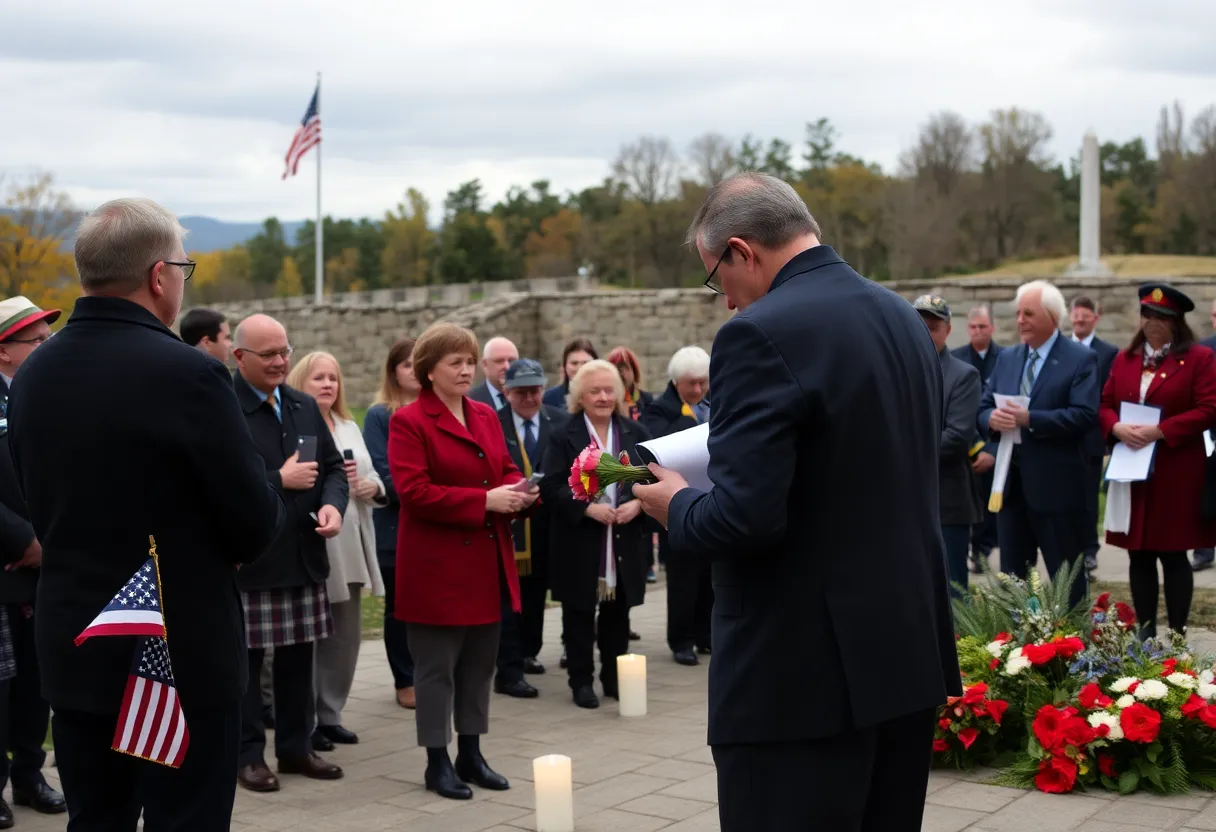
Louisville, KY – As the world reflects on pivotal moments in history, the legacy of the Pearl Harbor attack continues to be preserved even as the surviving witnesses grow fewer. As of December 7, 2025, only 12 survivors of the 1941 Japanese attack on Pearl Harbor remain, all of whom are over 100 years old. This year marks a significant milestone: for the first time, none of the survivors were able to attend the annual remembrance ceremony in Honolulu, underscoring the deep generational shift surrounding this critical event in American history.
The attack on Pearl Harbor, which resulted in over 2,300 fatalities and propelled the United States into World War II, is increasingly being remembered and honored through alternative means. While the firsthand experiences of survivors like Ira Schab and Harry Chandler were once the heart of these observances, the focus is now shifting towards educational programs, oral histories, and family stories to ensure the memory and significance of Pearl Harbor are retained for future generations.
Preserving Memories: New Initiatives
The National Park Service, along with projects such as the Library of Congress’ Veterans History Project, is actively engaged in preserving nearly 800 interviews and personal records from Pearl Harbor survivors. These initiatives aim to document personal accounts that detail not only the harrowing events of December 7, 1941, but also the lessons of resilience, sacrifice, and the human cost of war.
In addition to these federal efforts, the passion and dedication of local organizations play an essential role. Groups like the Sons and Daughters of Pearl Harbor Survivors are working tirelessly to honor their legacy through educational outreach and community engagement, fostering a deeper understanding of the attack’s significance in American history.
Shifting Commemoration Practices
With the passing of survivors signaling the end of an era, the methods by which the attack is commemorated are evolving. Increasingly, oral histories and educational programs are becoming the primary channels for sharing the history of Pearl Harbor. Families are taking it upon themselves to share stories passed down through generations, and schools are integrating lessons that highlight the historical context and ongoing relevance of the attack.
These modern approaches seek to keep the memory of Pearl Harbor alive, ensuring that the young people of today learn from the past. This emphasis on education is critical, particularly in a landscape where immediacy often drives attention away from deeper historical understanding.
The Significance of Pearl Harbor
The attack on Pearl Harbor not only resulted in heavy casualties but also marked a defining moment in global history, prompting significant shifts in American military and foreign policy. This historic event serves as a poignant reminder of the values of preparedness, vigilance, and the sacrifices made by countless individuals in service to their country.
As veterans and their firsthand accounts become increasingly scarce, the significance of preserving their stories and teachings can’t be overstated. The lessons learned from Pearl Harbor continue to resonate, reminding current and future generations of the importance of remembering past sacrifices.
Community Involvement and Future Legacy
The current initiative for preserving the Pearl Harbor narrative represents a broader societal effort to engage communities in honoring historical legacies. Organizations across the nation are collaborating to ensure that the contributions of veterans are recognized and celebrated.
As the number of Pearl Harbor survivors continues to dwindle, community involvement becomes even more crucial. By fostering discussions around resilience, sacrifice, and the impact of the war, we promote a legacy that inspires future leaders and entrepreneurs—echoing the spirit of innovation and determination that defines the American experience.
Conclusion
In summary, as we navigate a rapidly changing world, the importance of preserving the stories of Pearl Harbor cannot be understated. Through educational programs, community involvement, and the efforts of organizations dedicated to honoring the legacies of survivors, we must ensure that history is not forgotten. By supporting local initiatives and remembering the past, we enrich our collective understanding, paving the way for a more engaged and informed future.
Frequently Asked Questions
How many Pearl Harbor survivors are still alive?
As of December 7, 2025, only 12 survivors of the 1941 Japanese attack on Pearl Harbor remain, all over 100 years old.
Why couldn’t any survivors attend the 2025 remembrance ceremony?
This year, for the first time, none were able to attend the annual remembrance ceremony in Honolulu.
How is the history of Pearl Harbor being preserved now?
The National Park Service and projects like the Library of Congress’ Veterans History Project are preserving nearly 800 interviews and personal records from survivors. Additionally, descendants and organizations like the Sons and Daughters of Pearl Harbor Survivors continue to honor their legacy through education and public remembrance efforts.
What is the significance of the Pearl Harbor attack?
The attack, which killed over 2,300 people and led to the U.S. entering World War II, is now increasingly remembered through alternative means such as oral histories, educational programs, and families passing down stories.
Why is it important to preserve the stories of Pearl Harbor survivors?
The passing of these survivors marks the end of an era. Their firsthand accounts have been invaluable in understanding the events of December 7, 1941. As they pass away, it becomes increasingly important to preserve their stories and the lessons they imparted about resilience, sacrifice, and the impact of war.
Key Features
| Feature | Description |
|---|---|
| Number of Survivors | 12 survivors of the 1941 Japanese attack on Pearl Harbor remain, all over 100 years old. |
| 2025 Remembrance Ceremony | For the first time, no survivors were able to attend the annual remembrance ceremony in Honolulu. |
| Preservation Efforts | The National Park Service and projects like the Library of Congress’ Veterans History Project are preserving nearly 800 interviews and personal records from survivors. |
| Alternative Commemoration Methods | Educational programs, oral histories, and family stories are becoming primary methods for passing down the history of Pearl Harbor. |
| Significance of the Attack | The attack, which killed over 2,300 people and led to the U.S. entering World War II, is now increasingly remembered through alternative means such as oral histories, educational programs, and families passing down stories. |
Deeper Dive: News & Info About This Topic
HERE Resources