
Iran, January 12, 2026
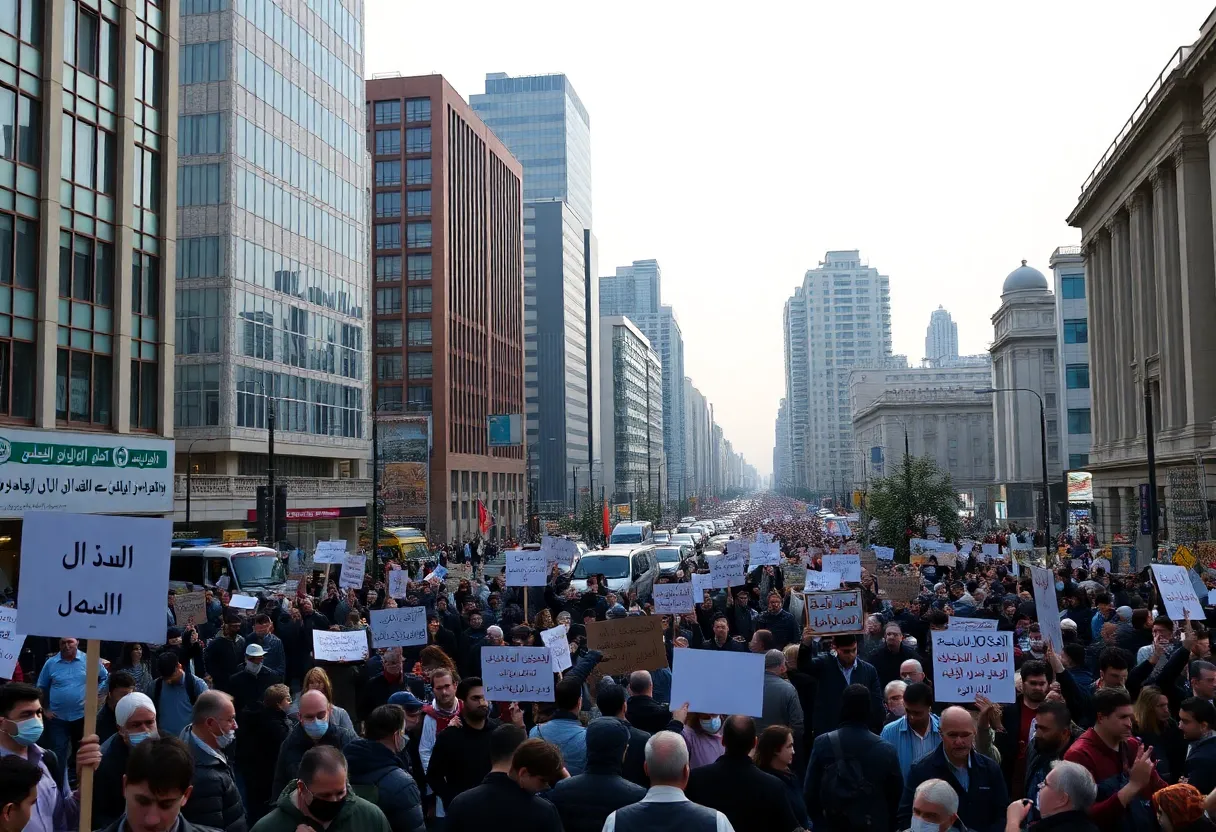
The ongoing unrest in Iran, marked by significant economic turmoil and public dissent, has led to over 544 deaths and more than 10,600 detentions. U.S. President Trump has noted Iran’s suggestion for negotiations following threats of military action. The protests originally sparked by inflation and the devaluation of the rial have evolved into broader anti-regime demonstrations. The Iranian government’s harsh crackdowns and international responses complicate the search for diplomatic solutions amid increasing violence and uncertainty.
Escalating Unrest in Iran: What We Know
Negotiations Suggested Amid Ongoing Violence
The situation in Iran is one of escalating tension and uncertainty. In the face of significant economic turmoil and public dissent, U.S. President Donald Trump has indicated that Iran has proposed negotiations following his threats of military action. This comes in the wake of violent government crackdowns on protesters, amid reports of at least 544 deaths and more than 10,600 detentions over the course of two weeks of unrest.
The protests began in late December 2025, ignited by severe economic hardship and the collapse of the Iranian rial. Despite state-imposed communication blackouts, videos and reports from activists reveal that unrest persists, particularly in major cities like Tehran and Mashhad. The Iranian government has responded forcefully, broadcasting pro-government events to portray strength while simultaneously suppressing dissent.
Escalating Unrest in Iran
Initially sparked by economic issues—chiefly inflation and currency devaluation—the protests have transformed into broader anti-regime demonstrations. The government’s subsequent crackdown has intensified, including sending threatening messages to citizens and warning families to keep their youth off the streets. As unrest continues to spread, both the Iranian populace and international observers remain vigilant.
International Responses and Considerations for the U.S.
Reactions from the global community have varied. China has called for stability and non-interference, while Germany has strongly condemned the Iranian regime’s violent suppression of its people. In contrast, Canada has voiced its support for Iranian protesters fighting for their rights. Amid these international discussions, U.S. officials are weighing a range of potential responses to the chaotic situation, which could include cyberattacks or even direct military actions, with President Trump stating that the U.S. is considering “very strong options.”
Understanding the Economic Context
The protests in Iran have broader implications, not only for the region but also for global economic stability. The root causes stem from a decade-long series of economic sanctions and internal mismanagement that have devastated the economy. The depreciation of the rial and rampant inflation have placed tremendous strain on the Iranian people, further fueling anti-government sentiments.
Negotiation Possibilities Amid Tensions
As violence persists, the question of negotiations raises several considerations. While President Trump has communicated that Iran has suggested entering talks, he has emphasized that the U.S. may take decisive action before any potential meetings—citing the urgent nature of the ongoing violence. This dynamic could further complicate the potential for diplomatic resolutions as the situation unfolds.
Conclusion
The unfolding crisis in Iran is marked by significant loss of life and burgeoning public dissent against an increasingly oppressive regime. As the international community watches closely, the potential for dialogue with Iran remains fraught with uncertainty amid calls for stronger actions from global powers. In Louisville and across the nation, we must remain engaged in global events, recognizing how such situations can resonate with local sentiments and the broader struggle for personal freedoms.
As citizens, we must support efforts that advocate for open dialogue and hold leaders accountable for fostering environments where entrepreneurs can thrive. Economic growth and resilience from local businesses play a crucial role in our collective future.
Frequently Asked Questions (FAQ)
What prompted the protests in Iran?
The protests were initially triggered by economic issues, including inflation and the depreciation of the Iranian rial. They have since expanded into broader anti-regime demonstrations.
How has the Iranian government responded to the protests?
The Iranian government has intensified its crackdown, sending warning texts to citizens and urging families to keep youths off the streets. They have also imposed a communications blackout to limit information flow.
What is the current death toll from the protests?
As of January 11, 2026, at least 544 people have been killed, with over 10,600 detained during two weeks of unrest.
What is the international community’s response to the situation?
International reactions have varied. China has urged non-interference and stability, while Germany condemned Iran’s violent repression. Canada has publicly supported Iranian protesters. The U.S. is considering potential responses, including cyberattacks or direct military action.
What is the status of negotiations between the U.S. and Iran?
President Trump has announced that Iran has proposed negotiations following his threats of military action. However, he has also stated that the U.S. may act before any meeting takes place due to the ongoing violence.
Key Features of the Situation
| Feature | Details |
|---|---|
| Protests in Iran | Triggered by economic issues, including inflation and the depreciation of the Iranian rial, leading to widespread anti-regime demonstrations. |
| Government Response | Intensified crackdown, including sending warning texts to citizens, urging families to keep youths off the streets, and imposing a communications blackout. |
| Death Toll | At least 544 people killed and over 10,600 detained during two weeks of unrest as of January 11, 2026. |
| International Reactions | China urges non-interference and stability; Germany condemns Iran’s violent repression; Canada supports Iranian protesters; U.S. considers potential responses, including cyberattacks or direct military action. |
| Negotiations | President Trump announces that Iran has proposed negotiations following threats of military action, but warns that the U.S. may act before any meeting due to ongoing violence. |
Deeper Dive: News & Info About This Topic
HERE Resources
Iran’s Tensions Escalate Amid Domestic Unrest