
Louisville, January 14, 2026
State Representative Daniel Grossberg has proposed House Bill 270, aiming to raise Kentucky’s minimum wage from $7.25 to $15 per hour by 2030. The bill includes incremental wage increases over the next four years, responding to concerns about stagnant wages and the rising cost of living. This marks Grossberg’s fourth attempt to advocate for minimum wage increases, amidst resistance from corporate interests and a Republican-majority legislature. Additionally, there are alternative proposals giving local governments the authority to set their own minimum wages.
Louisville Representative Proposes State Minimum Wage Increase
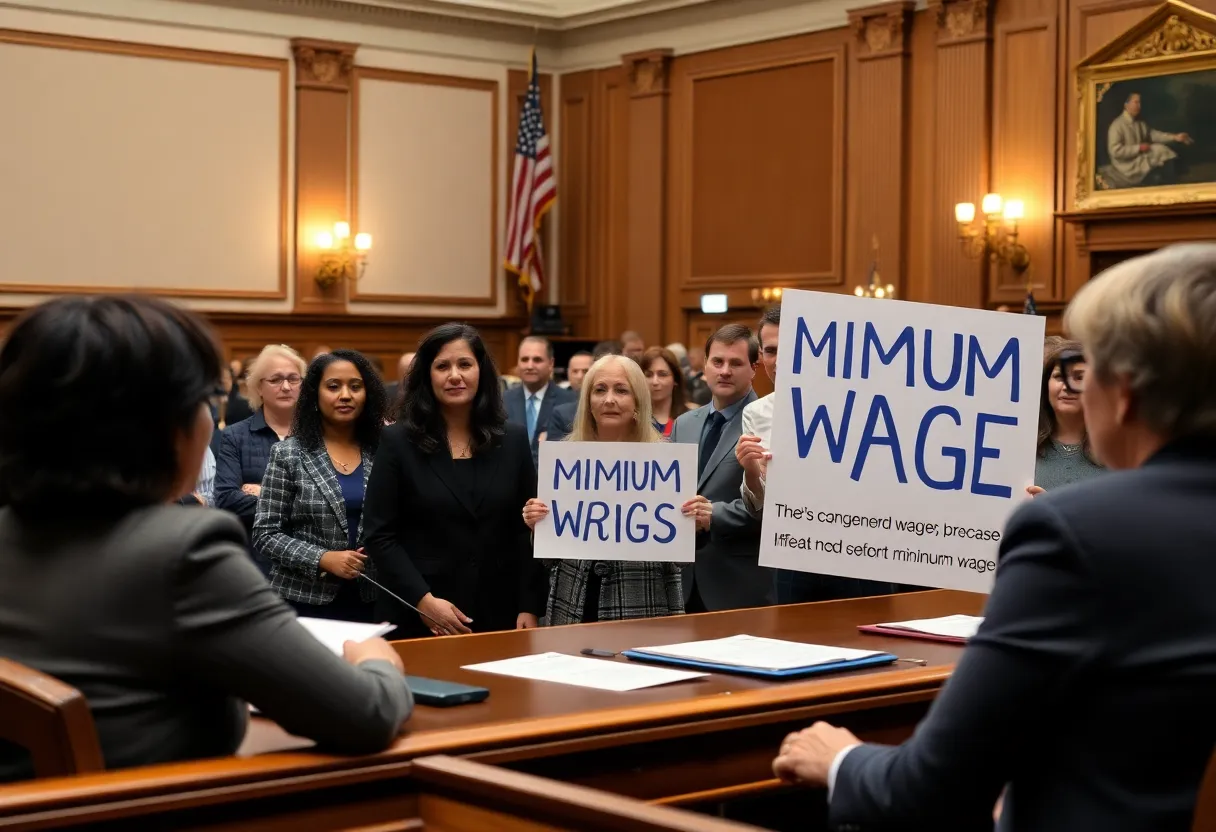
Louisville, Kentucky – State Representative Daniel Grossberg has introduced House Bill 270 (HB 270) during the 2026 legislative session, aiming to raise Kentucky’s minimum wage from the current federal rate of $7.25 per hour to $15.00 per hour by 2030. This proposal marks Grossberg’s fourth consecutive attempt to increase the state’s minimum wage since taking office in 2023.
Under HB 270, the minimum wage would increase incrementally over the next four years, reaching $9.50 per hour immediately, $11.00 the following year, $14.00 the year after, and $15.00 by 2030. Grossberg emphasizes the necessity of this adjustment to align wages with the rising cost of living in Kentucky. He notes that many constituents express concerns about stagnant wages amid escalating living expenses.
Despite previous unsuccessful attempts, Grossberg remains committed to advocating for this change, citing the disproportionate influence of corporate interests that often resist wage increases. He believes that elevating the minimum wage will benefit the broader economy, stating that a rising tide lifts all ships.
Policy Alternatives on Minimum Wage
HB 270 is not the only minimum wage-related legislation filed this session. Representative Chad Aull has introduced a bill granting local governments the authority to set minimum wage rates within their jurisdictions. This approach aims to provide communities with the flexibility to address local economic conditions and cost of living variations.
While Grossberg acknowledges the challenges of passing such legislation in a Republican-majority legislature, he remains optimistic. He argues that without a minimum wage standard, workers may not earn sufficient income to meet basic needs, highlighting the importance of legislative action to support Kentucky’s workforce.
Background on Kentucky’s Minimum Wage Status
As of January 2026, Kentucky’s minimum wage remains at $7.25 per hour, unchanged since 2009. This rate aligns with the federal minimum wage, placing Kentucky among the 21 states that have not implemented higher state minimum wages. In contrast, 30 states have established minimum wages above the federal level, with several reaching or exceeding $15 per hour. For instance, New York’s minimum wage is set at $17 in certain regions, and California’s is at $16.90. These disparities have raised concerns about Kentucky’s competitiveness and the adequacy of wages for its workers.
Local efforts to address this issue have faced legal challenges. In 2016, the Kentucky Supreme Court ruled that local governments lack the authority to set minimum wages higher than the state or federal rates, effectively nullifying local ordinances that had attempted to raise wages above the federal floor. This decision underscores the need for state-level legislative action to adjust the minimum wage in Kentucky.
Grossberg’s continued advocacy reflects a broader national movement to increase the minimum wage, aiming to ensure that workers earn a livable income that keeps pace with inflation and the rising cost of living. The outcome of HB 270 and similar legislative efforts will significantly impact Kentucky’s workforce and its economic landscape in the coming years.
Conclusion
The introduction of House Bill 270 by Representative Grossberg highlights ongoing discussions around minimum wage and its implications for Kentucky’s workforce. As the cost of living continues to rise, the importance of thoughtful legislation that balances worker needs with economic realities is paramount. Businesses and local communities are encouraged to stay informed and engaged with these developments to foster a robust and sustainable economic future for Louisville and beyond.
Frequently Asked Questions (FAQ)
What is House Bill 270?
House Bill 270, introduced by State Representative Daniel Grossberg, proposes to raise Kentucky’s minimum wage from the current federal rate of $7.25 per hour to $15.00 per hour by 2030, with incremental increases over the next four years.
How does HB 270 compare to other minimum wage legislation in Kentucky?
HB 270 is one of several minimum wage-related bills filed in Kentucky. Representative Chad Aull has introduced a bill granting local governments the authority to set minimum wage rates within their jurisdictions, providing communities with flexibility to address local economic conditions.
What is the current minimum wage in Kentucky?
As of January 2026, Kentucky’s minimum wage remains at $7.25 per hour, unchanged since 2009, aligning with the federal minimum wage.
How does Kentucky’s minimum wage compare to other states?
Kentucky is among the 21 states that have not implemented higher state minimum wages. In contrast, 30 states have established minimum wages above the federal level, with several reaching or exceeding $15 per hour, raising concerns about Kentucky’s competitiveness and wage adequacy.
Have local efforts to raise the minimum wage in Kentucky been successful?
Local efforts to raise the minimum wage in Kentucky have faced legal challenges. In 2016, the Kentucky Supreme Court ruled that local governments lack the authority to set minimum wages higher than the state or federal rates, nullifying local ordinances that attempted to raise wages above the federal floor.
Key Features of House Bill 270
| Feature | Description |
|---|---|
| Proposed Minimum Wage Increases | Incremental increases from $7.25 to $15.00 per hour by 2030 |
| Immediate Increase | Proposes an immediate increase to $9.50 per hour |
| Subsequent Increases | Annual increases to $11.00, $14.00, and $15.00 over the next four years |
| Legislative History | Grossberg’s fourth consecutive attempt to raise the minimum wage since 2023 |
| Local Government Authority | HB 270 is one of several bills; Representative Chad Aull’s bill grants local governments authority to set minimum wage rates |
Deeper Dive: News & Info About This Topic
HERE Resources