
Charlestown, Indiana, January 11, 2026
The recent sale of the historic 27-acre Charlestown ammunition plant signals optimism for economic growth in the community. New owners aim to involve locals in redevelopment plans that may include retail spaces and restaurants, echoing a commitment to enhancing the local economy and job opportunities after years of decline.
Charlestown, Indiana, USA
Sale of Historic Charlestown Ammunition Site Sparks Revitalization Hopes
A bright future for small businesses and community growth
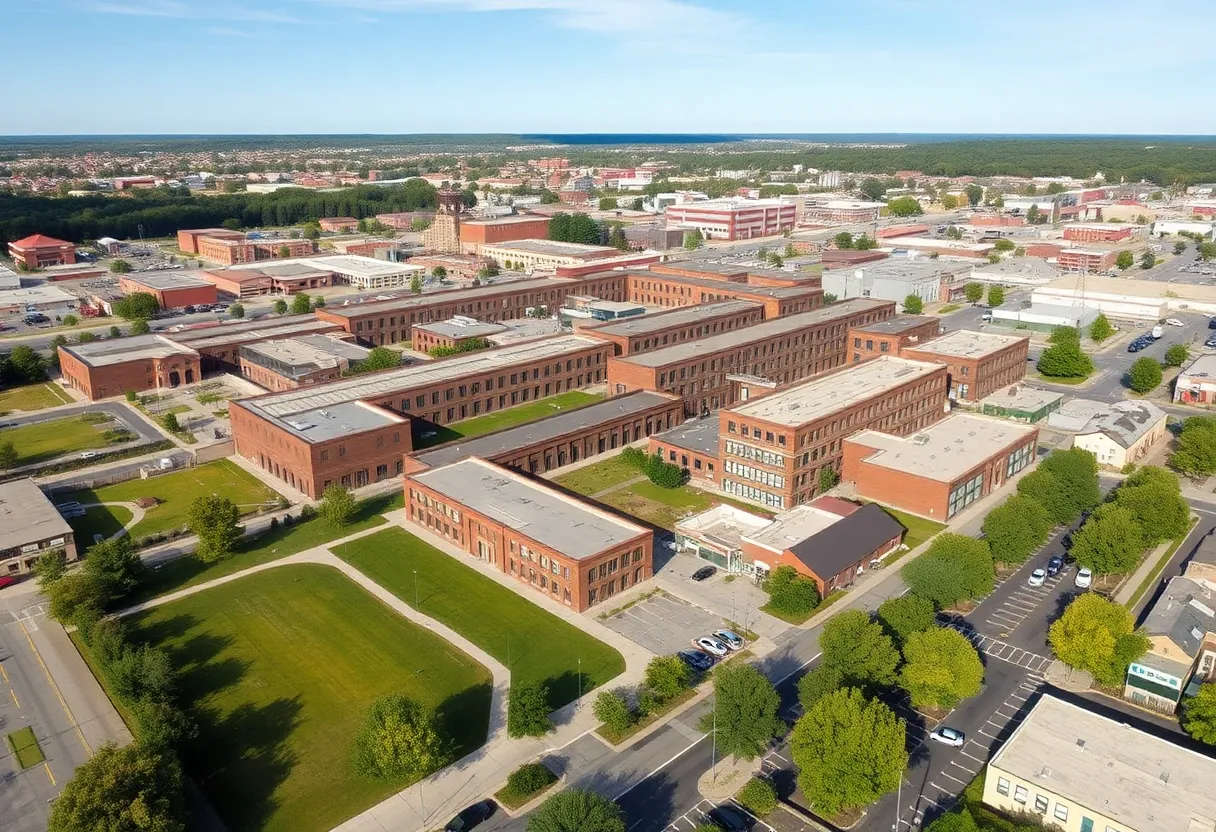
In a significant development for Charlestown, Indiana, the recently completed sale of the historic World War II-era army ammunition plant is sending ripples of optimism throughout the community. The 27-acre property has been purchased by FJR Commercial Real Estate, led by Brian Forrest, along with other properties across Charlestown and neighboring areas. This transaction is seen not only as a commercial opportunity but also as a potential catalyst for revitalizing a community that has faced economic challenges in recent years.
At its peak during the Vietnam era, the ammunition plant was a major employer in the region, providing jobs for over 27,000 people. Its closure left a significant economic void, but local leaders and residents are hopeful that the new owners will usher in a new era of growth and investment. This sale is indicative of the resilience and innovative spirit of local entrepreneurs who are keen on restoring economic vigor to the area.
Community-Centric Development Plans
Mayor Treva Hodges has expressed enthusiasm regarding the new ownership, emphasizing the developers’ commitment to ensuring community involvement in the redevelopment process. The community has voiced its desire for modern amenities, and plans are already in the works to potentially develop retail stores, restaurants, and grocery stores on the site. This aligns perfectly with the mayor’s vision of rejuvenating Charlestown, making it an attractive destination for residents and visitors alike.
Local Optimism for Job Creation
Charlestown residents are eager for the opportunities that the new development may bring. Local voices such as Austin Parnell and Brandon Aldridge are optimistic that this project will lead to increased investment and job creation in the area. They anticipate that the revitalization will not only provide employment opportunities but also bring in visitors from across the region, thereby boosting the local economy further.
Plans for Retail Development
While the specific plans for the ammunition plant site are still being finalized, indications suggest that a mixed-use development may be on the horizon. Developers are reportedly considering a hybrid model that would feature retail spaces along with other potential options, including a hotel. This thoughtful approach to development resonates with community preferences and aims to maximize the site’s potential.
Integration with Regional Economic Initiatives
This new development is part of a larger effort to revitalize not only the ammunition plant site but also the River Ridge Commerce Center, a substantial industrial park in Southern Indiana. The commerce center has made a significant mark by generating over $3 billion in economic impact and supporting nearly 20,000 regional jobs in 2024. As such, the transformation of the former ammunition plant site is poised to complement these existing economic initiatives, creating a synergistic effect that benefits the broader region.
Conclusion
The sale of Charlestown’s historic army ammunition site represents a turning point in the local economy, with numerous opportunities on the horizon for entrepreneurs and small businesses. By focusing on community involvement and thoughtful development, Charlestown is well-positioned for a renewed era of growth and prosperity. Local residents are encouraged to stay engaged with the developments and support regional businesses as Charlestown embarks on this exciting journey toward revitalization.
Frequently Asked Questions (FAQ)
What is the significance of the sale of Charlestown’s historic army ammunition site?
The sale of the 27-acre property of Charlestown’s World War II-era army ammunition plant to FJR Commercial Real Estate has ignited optimism for the area’s redevelopment, with plans for retail stores, restaurants, and grocery stores, aiming to rejuvenate Charlestown after years of decline.
Who are the new owners of the Charlestown ammunition plant site?
The developers, led by Brian Forrest, have acquired the 27-acre site along with other properties in Charlestown, New Albany, Clarksville, and Jeffersonville.
What are the future plans for the Charlestown ammunition plant site?
While specific plans are still under consideration, the developers have acknowledged the community’s desire for retail establishments and are exploring possibilities for a hybrid development that may include retail spaces and potentially a hotel.
How does this development fit into the broader economic landscape of Southern Indiana?
This development aligns with the ongoing efforts to revitalize the River Ridge Commerce Center, a 6,000-acre industrial park that has been instrumental in Southern Indiana’s economic growth, generating over $3 billion in economic impact and supporting nearly 20,000 regional jobs in 2024.
What was the historical role of the Charlestown ammunition plant?
The ammunition plant, operational from the 1940s through the Vietnam era, was a significant contributor to the local economy, employing over 27,000 people at its peak, and its closure left a substantial void in the community.
Key Features of the Charlestown Ammunition Plant Site Redevelopment
| Feature | Description |
|---|---|
| Property Size | 27 acres |
| New Owners | FJR Commercial Real Estate, led by Brian Forrest |
| Community Vision | Retail stores, restaurants, and grocery stores |
| Historical Significance | Operational from the 1940s through the Vietnam era, employing over 27,000 people at its peak |
| Alignment with River Ridge Commerce Center | Part of ongoing efforts to revitalize the 6,000-acre industrial park, generating over $3 billion in economic impact and supporting nearly 20,000 regional jobs in 2024 |
Deeper Dive: News & Info About This Topic
HERE Resources