

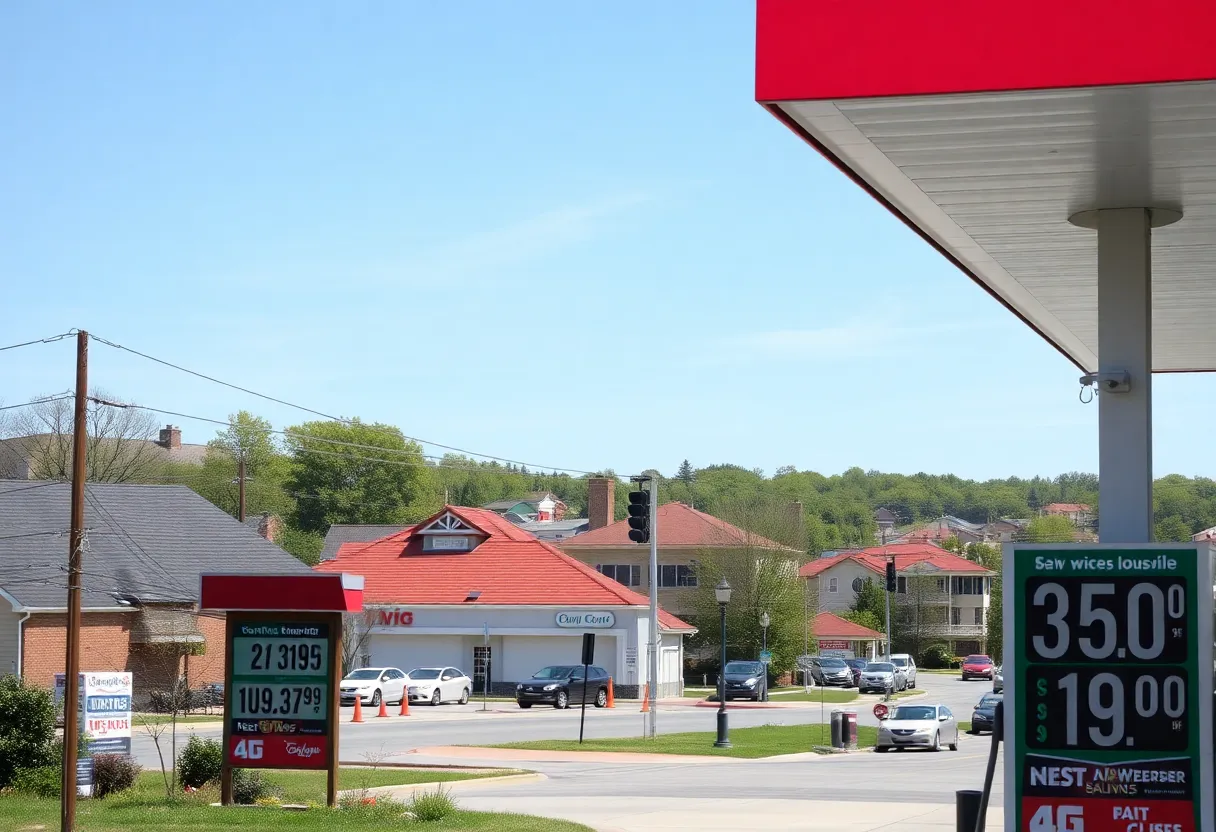
Louisville, Kentucky, January 10, 2026
The U.S. Environmental Protection Agency has removed the reformulated gasoline requirement for Jefferson, Bullitt, and Oldham counties in Kentucky. This decision, initiated by Louisville Mayor Craig Greenberg, is expected to lower fuel prices for local drivers, with potential savings of up to 25 cents per gallon. As the region adjusts to this policy change, local officials anticipate significant economic benefits, including improved disposable income for families and reduced operational costs for small businesses. The transition will be monitored to ensure air quality standards are maintained.
Louisville, Kentucky – The U.S. Environmental Protection Agency (EPA) has approved the removal of the reformulated gasoline (RFG) requirement for Jefferson, Bullitt, and Oldham counties in Kentucky, potentially leading to lower fuel prices for local drivers. This decision follows a request from Louisville Mayor Craig Greenberg, who cited the city’s compliance with air quality standards as the basis for opting out of the program.
The RFG program, implemented nearly 30 years ago, mandated the use of cleaner-burning gasoline to reduce air pollution. However, advancements in conventional gasoline formulations and vehicle emissions technologies have diminished the program’s necessity. The EPA’s approval signifies a shift in policy, acknowledging that the region now meets the required air quality standards without the RFG mandate.
Local officials anticipate that the removal of the RFG requirement will result in significant savings for consumers. If the change leads to a 25-cent reduction per gallon, Louisville drivers could collectively save approximately $137 million annually. This financial relief is expected to positively impact the local economy and residents’ daily expenses.
While the EPA’s decision is a positive development, it is important to note that the implementation of this change may take some time. Gas stations and fuel distributors will need to adjust their operations to accommodate the new fuel standards. Additionally, ongoing monitoring will ensure that air quality remains within acceptable limits, maintaining the health and safety of the community.
In summary, the EPA’s approval to end the RFG requirement in Louisville and surrounding counties marks a significant policy shift aimed at reducing fuel costs for consumers while maintaining environmental standards. The full impact of this change will unfold as local infrastructure adapts to the new regulations.
Key Benefits of the EPA Decision
The decision by the EPA holds numerous advantages for the Louisville KY business landscape. By reducing mandatory regulations, local entrepreneurs may see a decrease in operational costs associated with fuel, allowing them to allocate funds toward growth, innovation, and job creation. With lowered fuel prices, families will have more disposable income, which is essential for supporting small businesses in our local communities.
Advancements in vehicle technology and a keen awareness of environmental considerations now allow for more flexible fuel standards without compromising air quality. This transition reflects both progress in automotive industry standards and a recognition of local communities’ needs. As the market adapts to the new fuel types, we may also see an influx of competition among gas stations, leading to even more favorable prices.
Challenges Ahead
Despite the optimism surrounding these changes, it is crucial for local businesses and consumers to remain patient during the transition phase. Gas stations and distributors will need to reconfigure their supply chains to meet the new standards. The timeline for effective implementation is uncertain, making it essential for both businesses and residents to stay informed about changes as they unfold.
Furthermore, consistent monitoring of air quality will be important to ensure that health standards are continually upheld. This dual focus on economic gain and environmental safety will be critical as Louisville moves forward.
Conclusion
The recent approval by the EPA to remove the RFG requirement for Jefferson, Bullitt, and Oldham counties is a potentially transformative step for Louisville’s economic landscape. By fostering an environment conducive to lower fuel prices and reduced regulatory burdens, the city could witness heightened entrepreneurial activity and growth in small business sectors. Residents and local leaders alike must advocate for this change, remain informed about its progress, and support the local economy. The future of Louisville’s business success depends on participation and engagement in these vital developments.
Frequently Asked Questions (FAQ)
What is the reformulated gasoline (RFG) program?
The RFG program, established nearly 30 years ago, required the use of cleaner-burning gasoline to reduce air pollution in specific regions.
Why did Louisville request to opt out of the RFG program?
Louisville requested to opt out of the RFG program because the city now meets air quality standards without the need for the mandate.
How will the removal of the RFG requirement affect fuel prices?
The removal of the RFG requirement is expected to lead to lower fuel prices for consumers, with potential savings of approximately 25 cents per gallon, amounting to about $137 million annually for Louisville drivers.
When will the change take effect?
The implementation of the change may take some time as gas stations and fuel distributors adjust their operations to accommodate the new fuel standards.
Will air quality be affected by this change?
Ongoing monitoring will ensure that air quality remains within acceptable limits, maintaining the health and safety of the community.
Key Features of the EPA’s Decision
| Feature | Description |
|---|---|
| Policy Change | EPA approves removal of RFG requirement for Jefferson, Bullitt, and Oldham counties in Kentucky. |
| Consumer Impact | Potential savings of approximately 25 cents per gallon, totaling about $137 million annually for Louisville drivers. |
| Implementation Timeline | Gas stations and fuel distributors will need time to adjust operations to new fuel standards. |
| Air Quality Monitoring | Ongoing monitoring to ensure air quality remains within acceptable limits, maintaining community health and safety. |
Deeper Dive: News & Info About This Topic
HERE Resources
Louisville Residents Face Holiday Price Fluctuations
Louisville Gas Prices Drop to $2.85 per Gallon Ahead of Black Friday
Louisville, Kentucky Secures Landmark Energy Settlement
Louisville’s $5 Million Waterfront Penthouse Hits the Market
Louisville Real Estate Booms with $5 Million Penthouse Listing at Waterfront Park Place
Louisville Companies Implement Hybrid Attendance Model
Louisville Utility Company Cuts Proposed Rate Hike
Top Jefferson County Home Sales Signal Robust Real Estate Market
Louisville Homebuyers Frustrated Over Down Payment Assistance Program Pause
Shepherdsville Supply Chain Distributor Closes, Cutting 117 Jobs