

Louisville, Kentucky, December 5, 2025
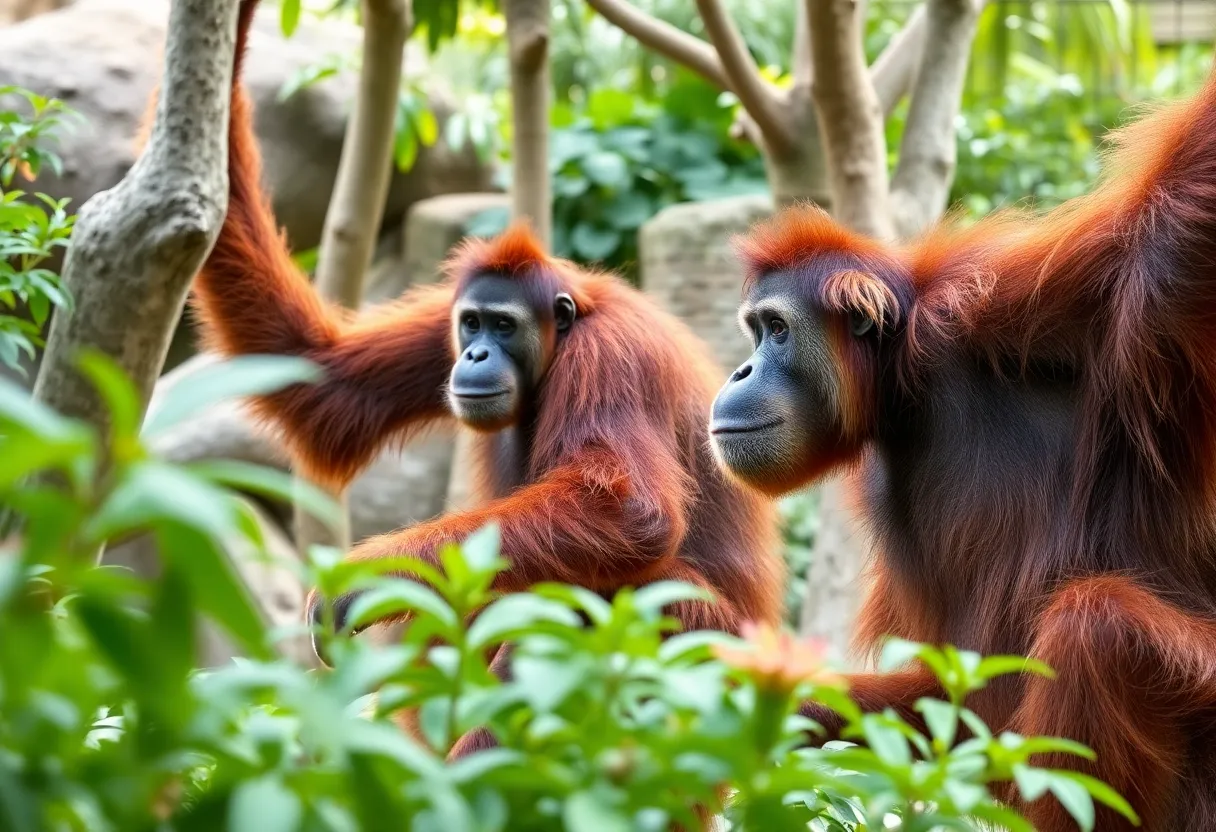
The Louisville Zoo has welcomed two Sumatran orangutans, Sumagu and her daughter Kera, marking the first time the critically endangered species has been part of the zoo’s collection in over two decades. This move underscores the zoo’s commitment to conservation and provides visitors with the opportunity to engage with these remarkable animals. Sumagu and Kera, arriving from Cheyenne Mountain Zoo, will soon be on display alongside other orangutans. Their introduction supports local conservation efforts and highlights the importance of protecting wildlife.
Louisville Zoo Welcomes Sumatran Orangutans After 28 Years
A Historic Addition That Supports Conservation Efforts
Louisville, Kentucky – The Louisville Zoo has made a historic move by introducing two Sumatran orangutans, Sumagu and her daughter Kera, marking the first time these critically endangered primates have been part of the zoo’s collection in 28 years. The newcomers arrived from the Cheyenne Mountain Zoo in Colorado Springs and have undergone the necessary quarantine and acclimation procedures. Zoo-goers will soon enjoy observing them alongside the zoo’s other three orangutans in the dayroom at the Islands habitat.
Support for local businesses and initiatives has always been a key driver of economic growth in Jefferson County. This new addition at the zoo not only brings more attention to the exceptional animals indigenous to our world but also taps into the community’s interest in conservation and animal welfare. With favorable regulations in place, organizations like the Louisville Zoo can focus resources on innovative programs that educate the public and support wildlife protection.
Conservation Efforts and Public Engagement
The introduction of Sumagu and Kera aligns with the Louisville Zoo’s ongoing commitment to conservation and public education. Sumatran orangutans are classified as critically endangered by the International Union for Conservation of Nature (IUCN), primarily due to habitat destruction caused by deforestation and illegal hunting. The zoo invites visitors to learn more about these remarkable animals while actively supporting initiatives dedicated to protecting their natural habitats.
Visitor Information
For those eager to see Sumagu and Kera, the Louisville Zoo is open daily from 10 a.m. to 4 p.m., with a requirement for guests to exit by 5 p.m. The zoo closes on Thanksgiving, Christmas, and New Year’s Day. A daily update on the zoo’s website will indicate when Sumagu and Kera can be visited, enhancing the experience for families and animal lovers alike.
Background on Sumatran Orangutans
Native to the Indonesian island of Sumatra, Sumatran orangutans are known for their distinctive red fur and significant intelligence. They are primarily solitary creatures in their natural habitat and spend most of their time in trees. The Louisville Zoo’s addition of Sumagu and Kera presents an ideal opportunity for the community to deepen their understanding of the species and the critical conservation challenges they face.
Recent Developments at the Louisville Zoo
Coinciding with the arrival of the orangutans, the Louisville Zoo has recently celebrated the birth of a Sumatran tiger cub, the first tiger born at the zoo in over two decades. Born on July 23, 2024, this significant event underscores the zoo’s commitment to wildlife conservation and breeding programs, further supporting the economy and community interest in animal exhibits.
About the Louisville Zoo
The Louisville Zoo is dedicated to fostering a connection between people and the natural world. With a range of informative exhibits and educational programs designed to promote conservation and environmental stewardship, the zoo works diligently to create an inspiring environment for all visitors. As an accredited member of the Association of Zoos and Aquariums (AZA) and the World Association of Zoos and Aquariums (WAZA), the zoo continually seeks to enhance its mission and outreach.
Frequently Asked Questions (FAQ)
1. What are the names of the new Sumatran orangutans at the Louisville Zoo?
The new Sumatran orangutans at the Louisville Zoo are named Sumagu and her daughter Kera.
2. Where did Sumagu and Kera come from?
Sumagu and Kera arrived at the Louisville Zoo from the Cheyenne Mountain Zoo in Colorado Springs.
3. When can visitors see Sumagu and Kera at the zoo?
After completing standard quarantine and acclimation procedures, Sumagu and Kera are now rotating with the zoo’s three other orangutans in the dayroom at the Islands habitat. As temperatures warm in the spring, visitors will also be able to see them in the outdoor areas of the Islands habitat. The zoo’s website will be updated daily to indicate when Sumagu and Kera can be seen in their habitat.
4. What are the operating hours of the Louisville Zoo?
The Louisville Zoo is open daily year-round, with current hours from 10 a.m. to 4 p.m., and guests are asked to exit by 5 p.m. The zoo is closed on Thanksgiving, Christmas, and New Year’s Day.
5. What is the conservation status of Sumatran orangutans?
Sumatran orangutans are listed as critically endangered by the International Union for Conservation of Nature (IUCN) due to habitat loss from deforestation and illegal hunting.
Key Features of the Louisville Zoo’s Recent Developments
| Feature | Description |
|---|---|
| Introduction of Sumatran Orangutans | Sumagu and her daughter Kera are the first Sumatran orangutans at the Louisville Zoo in 28 years, arriving from the Cheyenne Mountain Zoo. |
| Conservation Efforts | The zoo emphasizes the critically endangered status of Sumatran orangutans and supports conservation initiatives to protect their habitats. |
| Visitor Information | The zoo operates daily from 10 a.m. to 4 p.m., with guests exiting by 5 p.m., and is closed on Thanksgiving, Christmas, and New Year’s Day. |
| Recent Birth of Sumatran Tiger Cub | The zoo celebrated the birth of a Sumatran tiger cub on July 23, 2024, marking the first tiger birth in over two decades. |
| About the Louisville Zoo | The zoo is dedicated to fostering a connection between people and the natural world, offering various exhibits and educational programs. |
Deeper Dive: News & Info About This Topic
HERE Resources